NYU CHEM-E-PROJECTS
CHEM-E-CAR
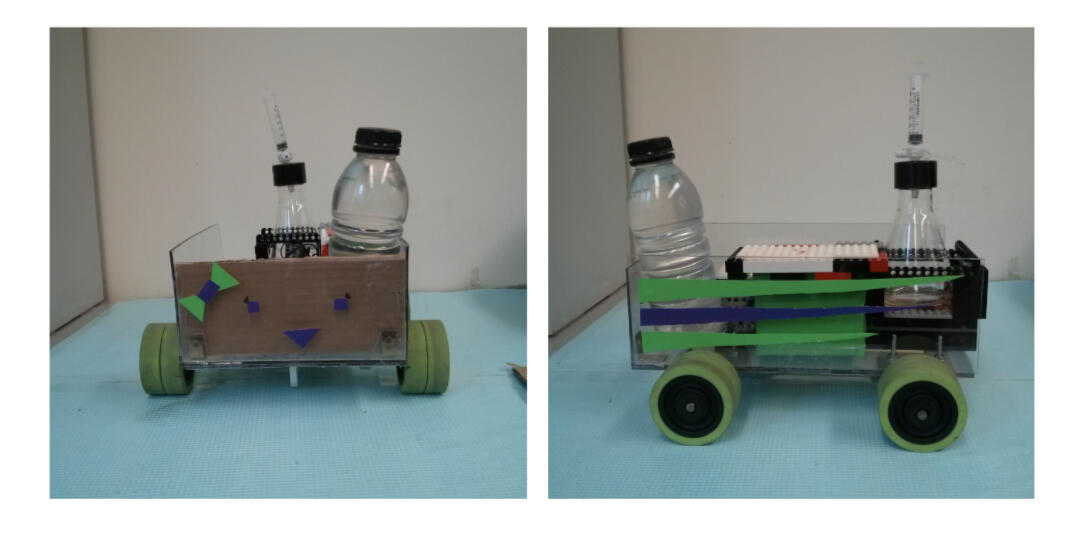
This is an undergraduate level competition hosted by (AICHE) American Institute of chemical engineers. It challenges students to build a small vehicle with the goal of calibrating chemical reactions to make the car reach a distance provided on site. The competition pressure students to calculate exactly how much reactants they need to ensure their vehicles stop as accurately as possible from the finish line.
CHEM-E-CUBE
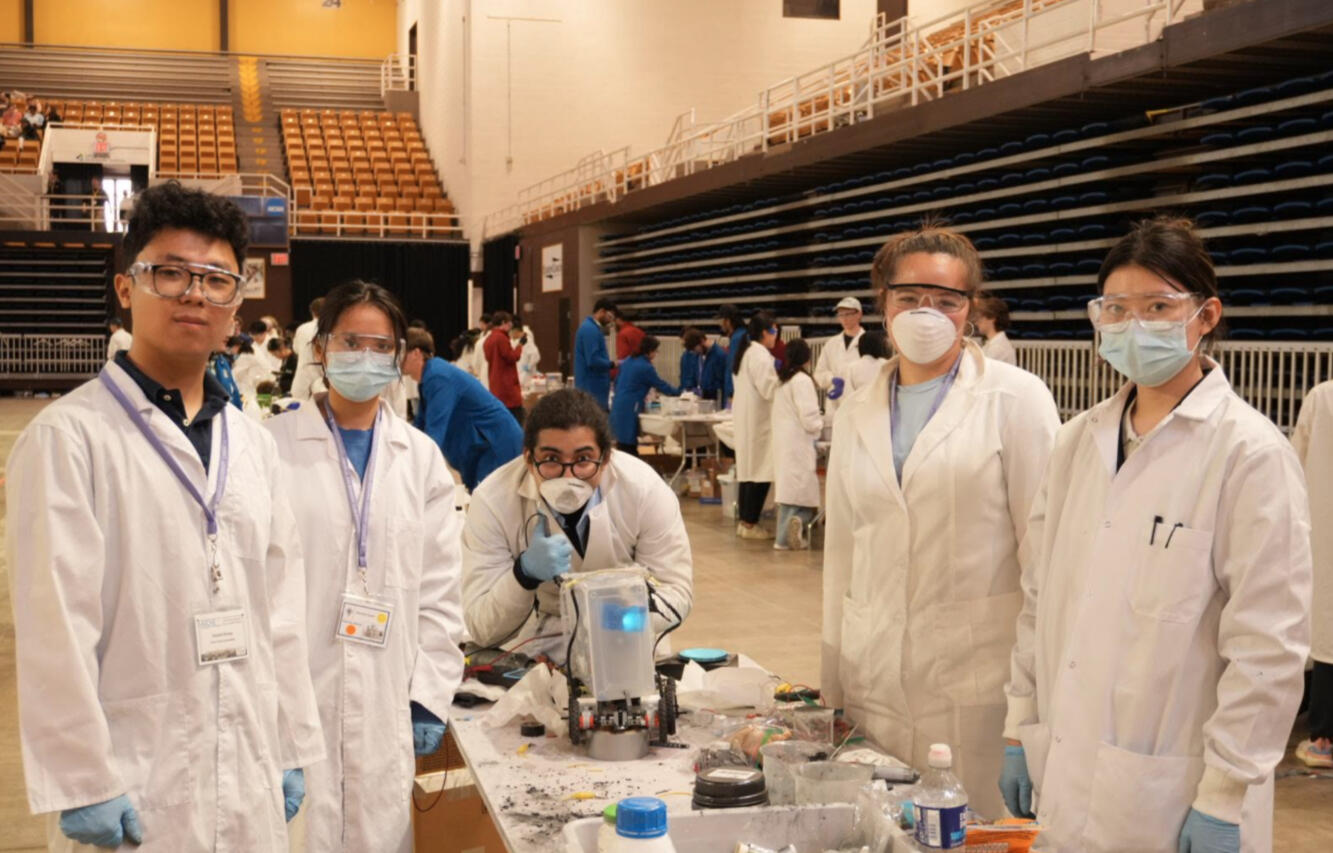
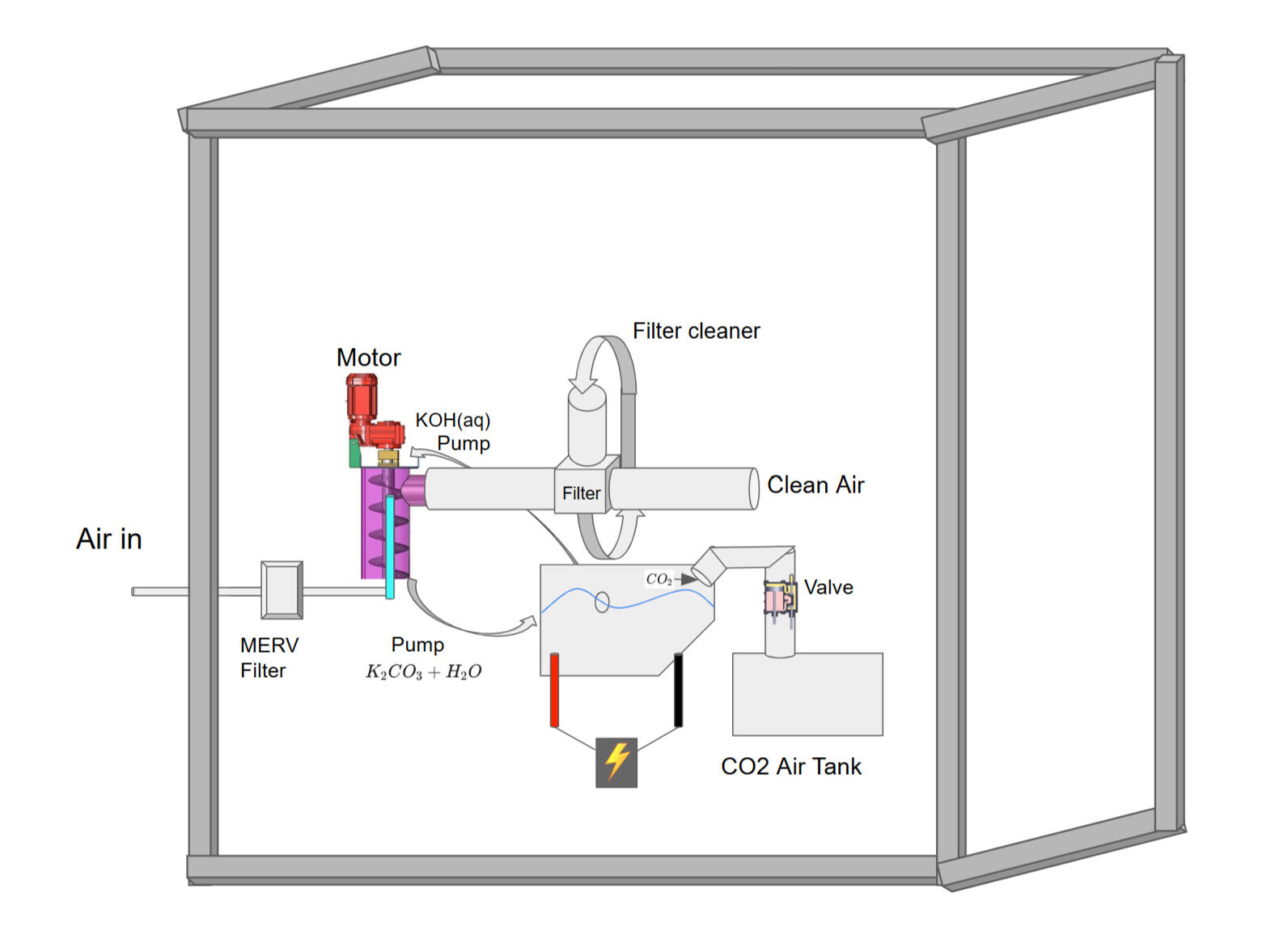
Held at the National AICHE conference, mainly sponsored by rapid Exxon Mobil, it challenges students to design a 1-foot by 1-foot small cube like plant that removes carbon dioxide from the air stream.
CHEM-E-SPORTS
Also hosted on Regional and National AICHE conferences
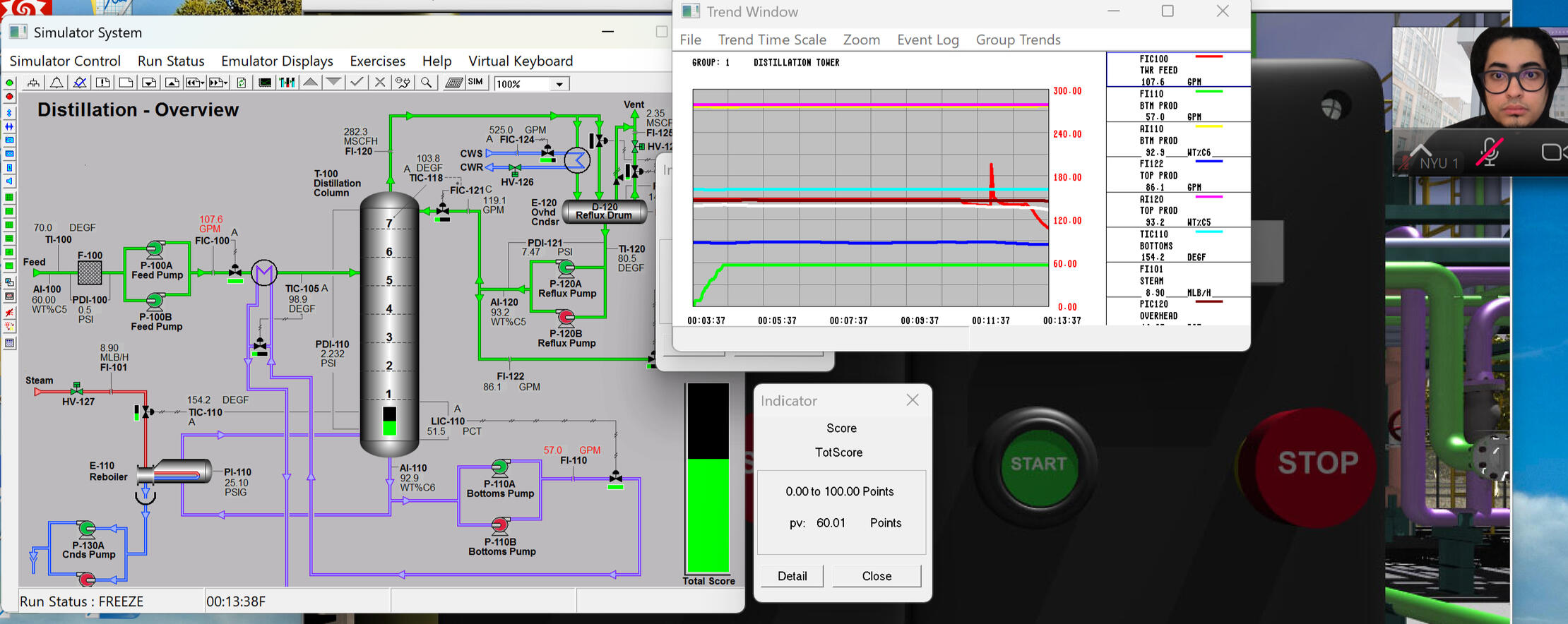
this competition tasks students to make changes to chemical plants on a simulation-based software. The simulations represent issues that occur on real world chemical plants, and the competition is ranked based on how fast, and how efficienty a team can solve such issues.
4yr+
OUR ORGANIZATION BRINGS A HISTORY OF 50+ UNDERGRADUATE MEMBERS WHO HAVE ASSISTED IN THE DEVELOPMENT OF THESE PROJECTS.
33
CURRENT TEAM STANDS AT 33 MEMBERS FOR THIS SPRING 2026
18%
ABOUT 17% OF OUR MEMBERS PROCEEDS TO GRADUATE SCHOOL OR FURTHER EDUCATION
2025 FALL
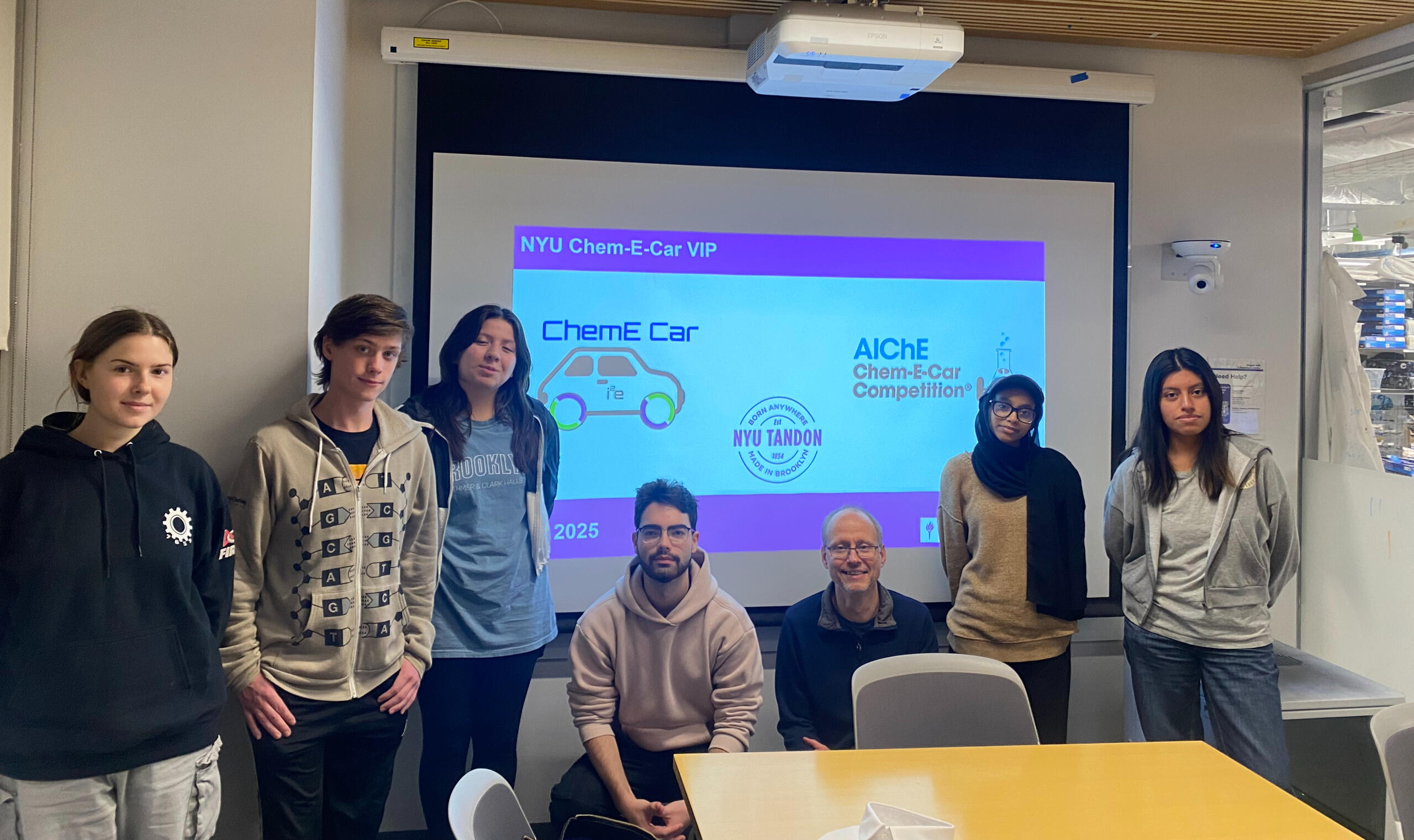
Here are some of our members after a (GBM) General Body Meeting, along with one of our beloved faculty advisors from the Chemical and Biomolecular Engineering Department (CBE), that along with the (VIP) vertically Integrated Projects team make this initiative possible.
SUPPORT US BY DONATING TO OUR PROJECTS OR BY JOINING OUR TEAM YOURSELF VIA OUR APPLICATION LINK.

ARTHUR BARBOSA
Senior undergrad in CBE, with a minor in (BMS) Biomolecular Science
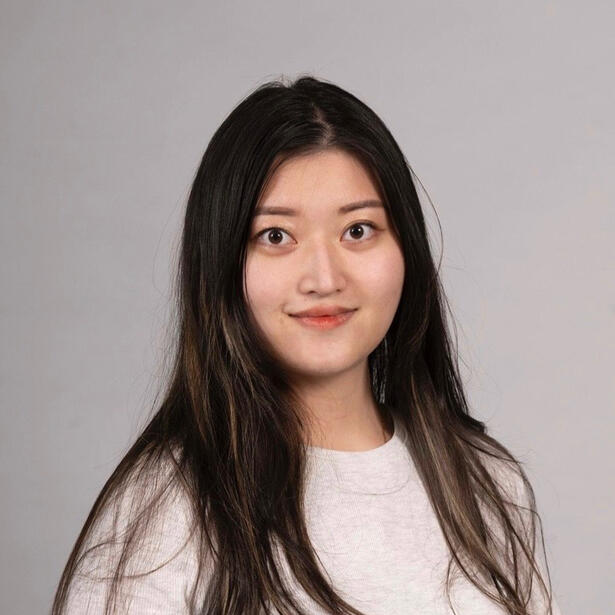
HELEN ZHANG
Senior undergrad in CBE
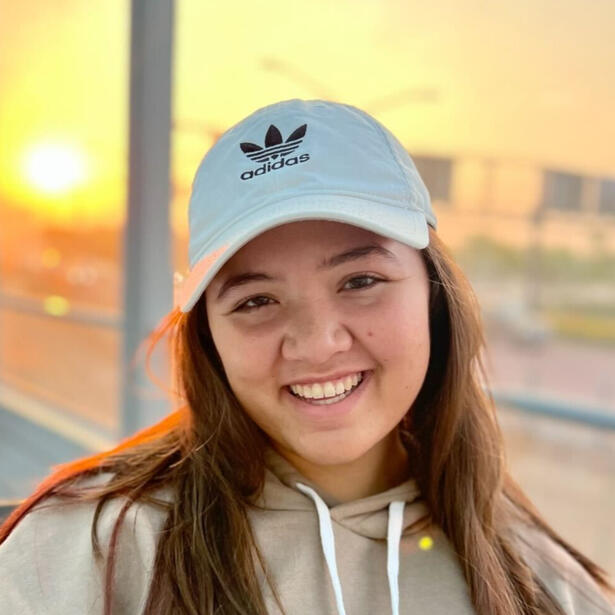
SOPHIA BARBARIA
Junior undergrad in CBE
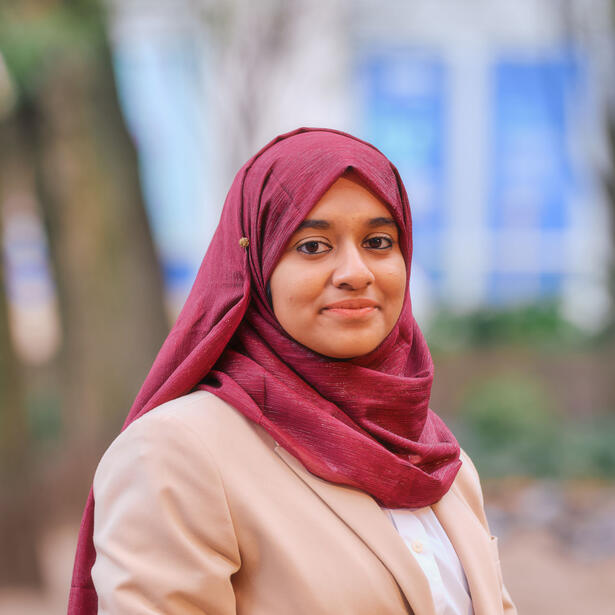
TASNEEM AHMED
Junior undergrad in CBE
© Untitled. All rights reserved.
Thank you
CUBE 2025
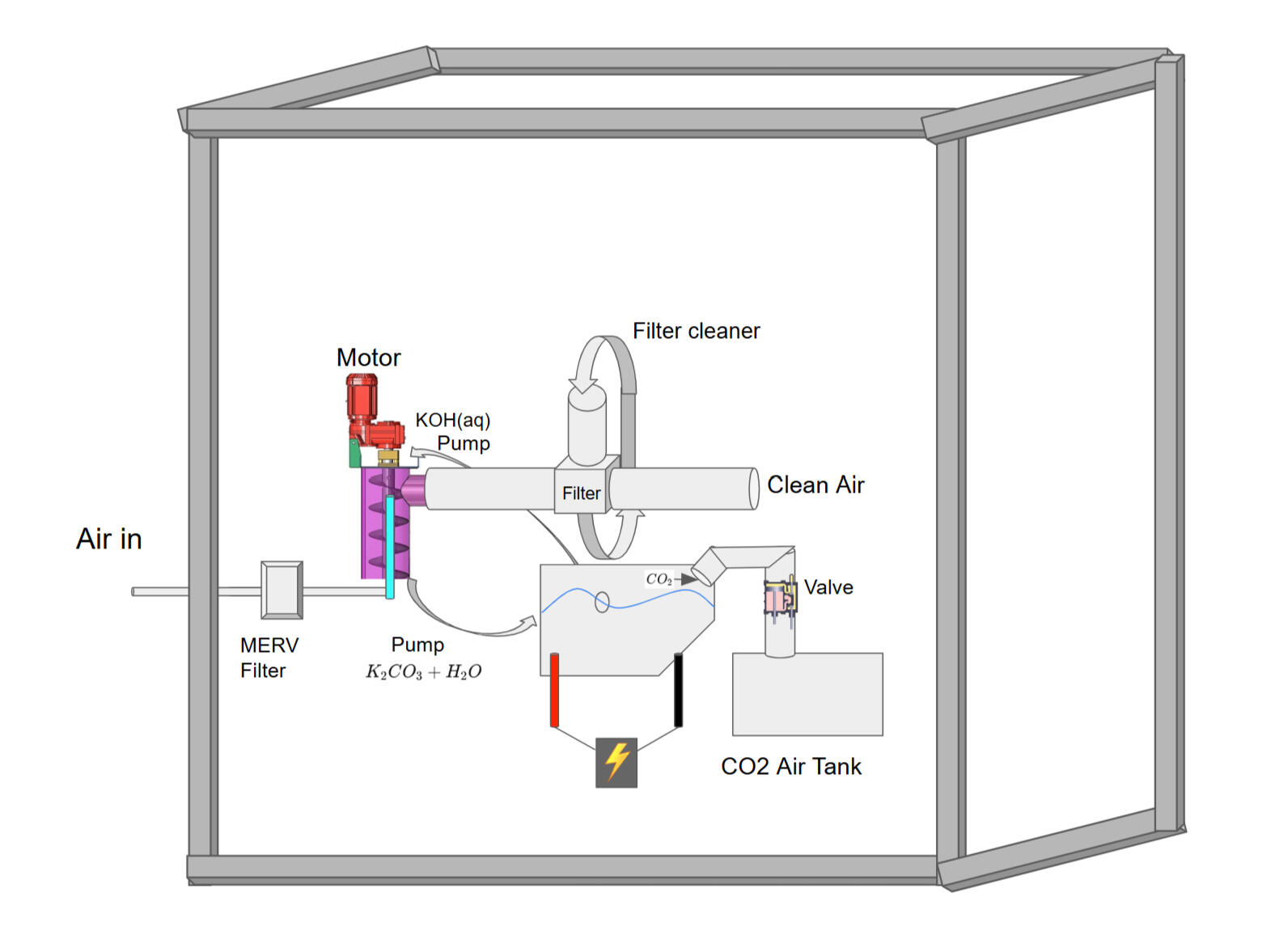
We participated in the 2025 Pitch Presentation Contest for the Chem-E-Cube project. Our Cube design starts with the intake of air coming into a Merv Filter to remove extra particles from the stream. The flow proceeds into a contractor like system that was divided into the top region where some of the air would have been filtered again in a reactor; the bottom stream would, move towards the bottom part of the mini plant after the air has been in contact with a KOH aqueous solution. The goal for this process was to capture the carbon dioxide from the air. The bottom steam proceeded to an electrochemical chamber where, we separated the CO2 and stored it, while cleaning the solution and sending KOH back into the extraction collum.
CAR 2026
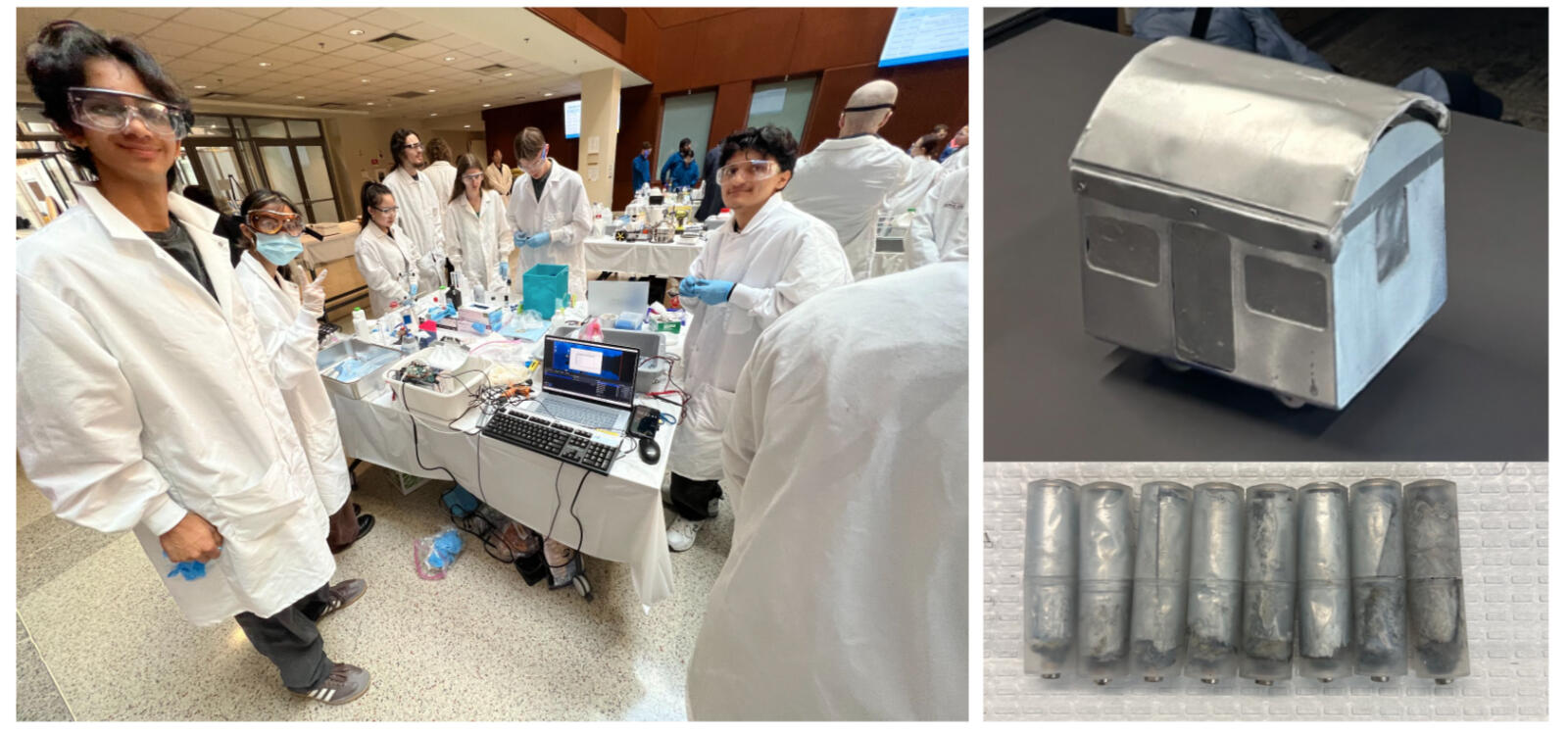
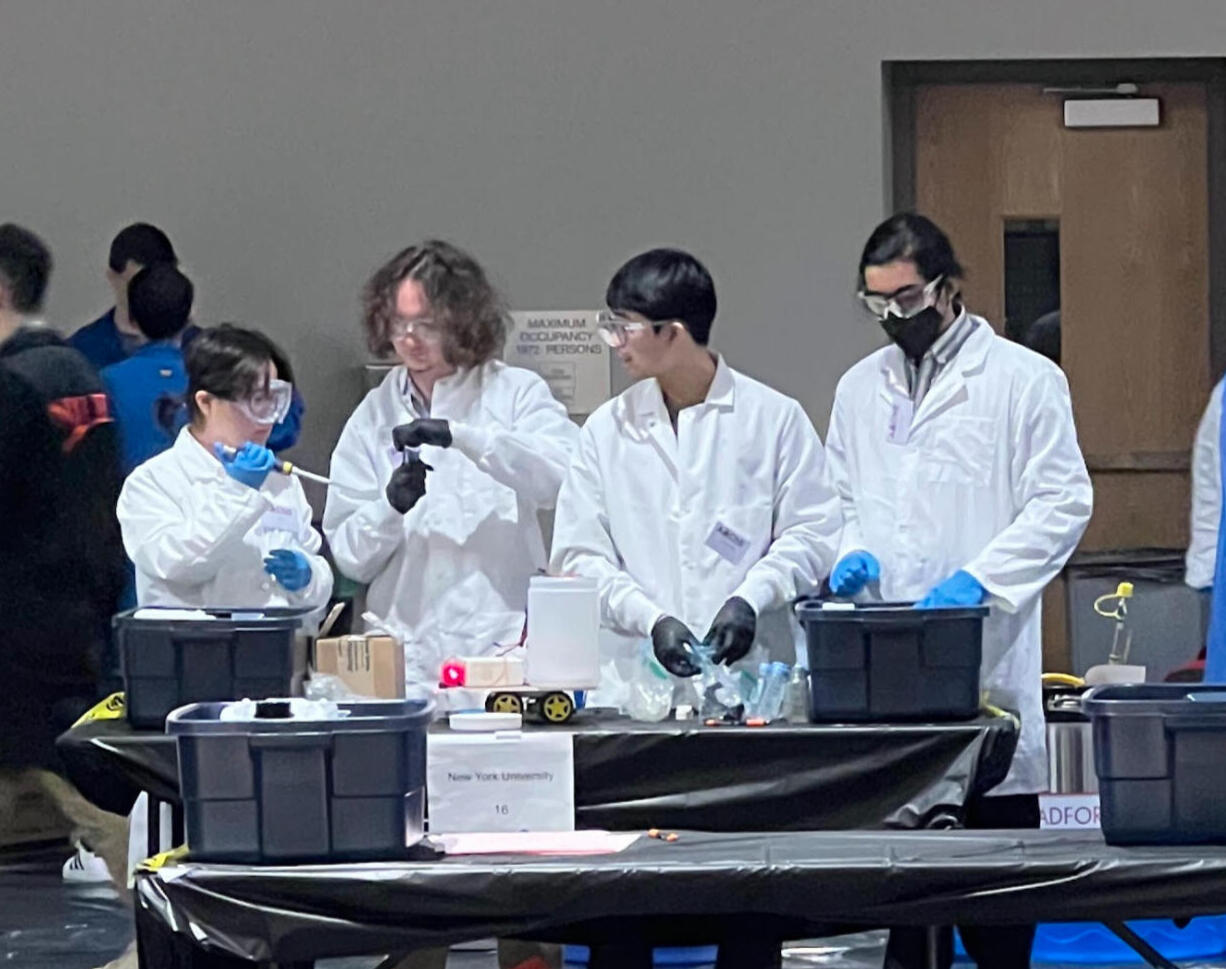
Our team participated in the Mid-Atlantic Regional Conference and Competed at Chem-E-Car at VCU, in Richmond, Virginia. Our vehicle brought a little piece of New York City to the region. We designed a A-Train like cart with a propulsion system using a Zinc-Carbon Battery in AA size. We utilized a stopping mechanism with a camera detection to observe a color change in an Iodine Clock.
CAR 2025
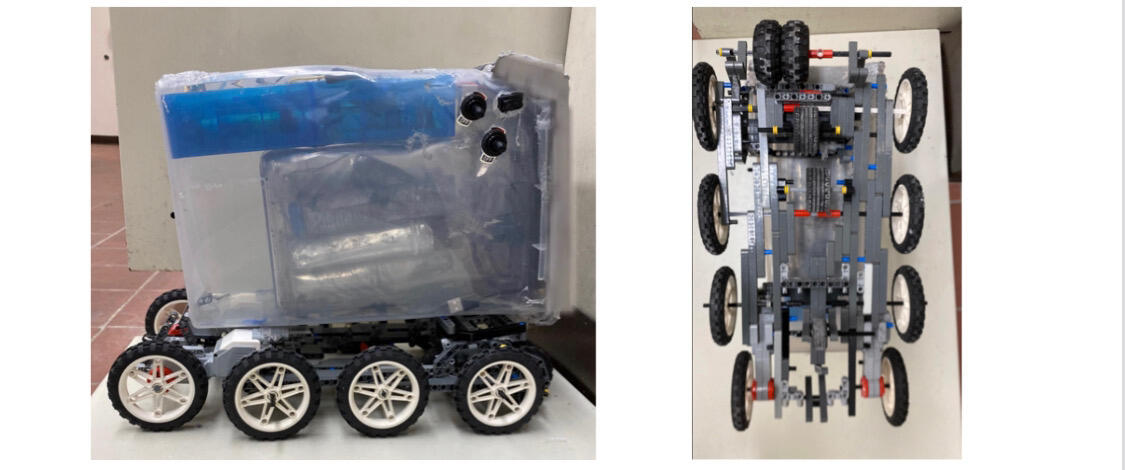
Our team participated in the Mid-Atlantic-AICHE Regional Conference where we competed in the Chem-E-Car competition. Car was the Zinnamon, a combination of Zinc propulsion system with Cinnamaldehyde Clock that uses extracts from Cinamon. The competition was held at Lehigh University in Bethlehem, PA.
CAR 2024
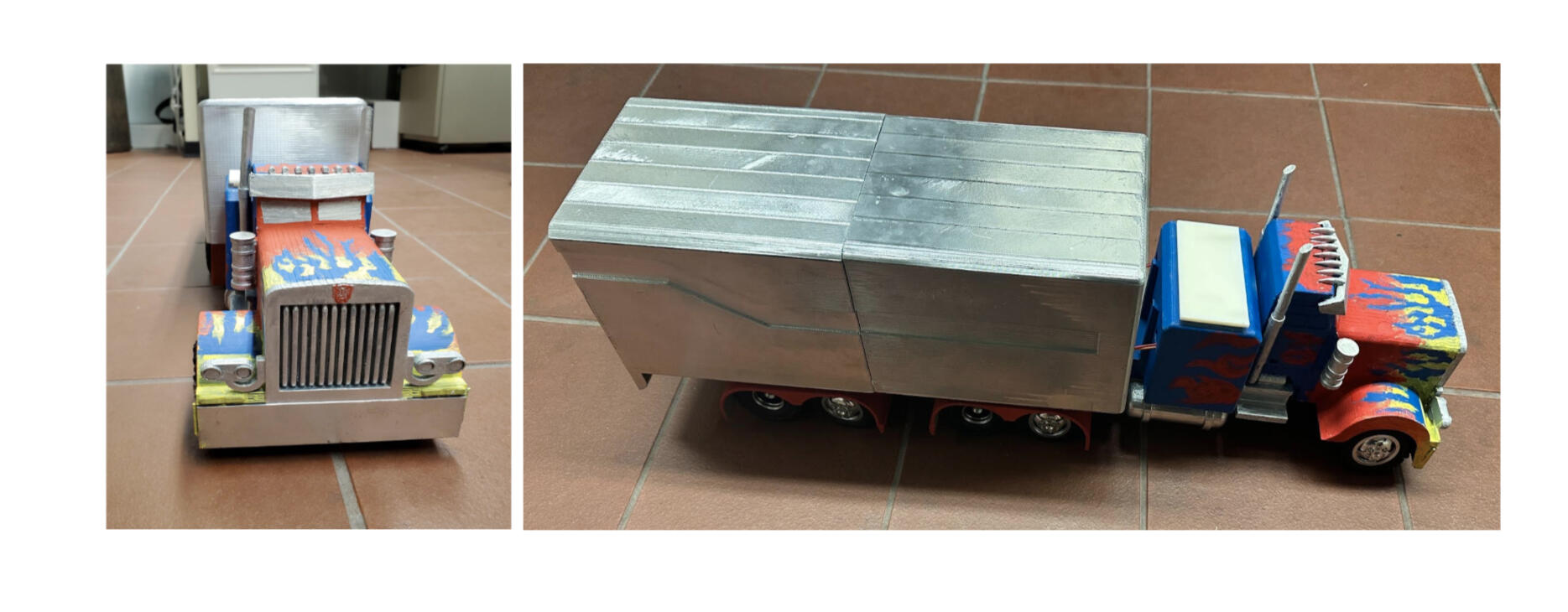
Our team attended the Mid-Atlantic Regional AICHE conference for the Chem-E-Car competition. We designed a Transformer like vehicle, the Voltimus Prime. The goal was to take advantage of truck like physics to carry the weight of our internal components. The car consisted of a Ru-Pd Formaldehyde Fuel Cell with graphite cathode. The conference was held at University of Maryland in Baltimore, Maryland.
CAR 2023
This was our first competition under the use of VIP funding and VIP team structure. A program developed in our school to fund and assist with planning for student led projects in an environment which students can receive engineering credits to assist with graduation requirements. The car was powered by a Magnesium Carbon Cell with Cerium IV Sulfate solution acting as an electrolyte. Our team went to the Mid-Atlantic Conference in Blacksburg, Virginia at Virginia Tech.
CAR 2014
This was the Poly-mobile, first Chem-E-Car team known to have participated in the Chem-E-Car competitions from our school. The vehicle utilized a Leclanché cell which is a Zinc Carbon Battery to propel the vehicle with an iodine clock system to stop the car.